
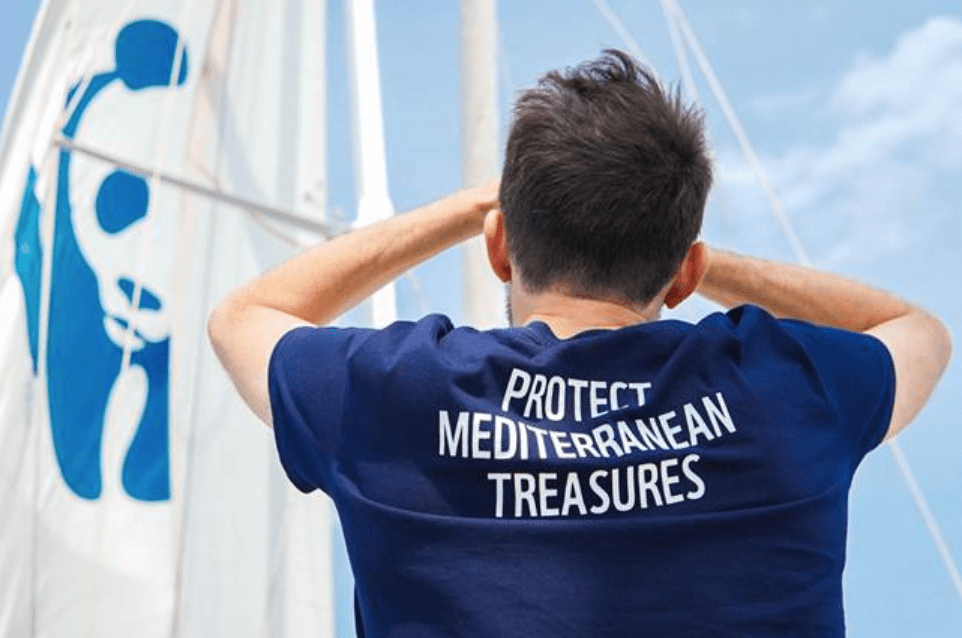
Two years after launching its global ocean commitment in partnership with WWF France, Novotel is showing what large-scale hospitality sustainability looks like when it moves from intention to execution.
Ahead of World Ocean Day (8 June), the brand’s second Ocean Impact Report reveals a growing network-wide transformation across more than 600 hotels worldwide — from how seafood is sourced and menus are designed, to how teams are trained and guests are invited into ocean conservation.
What emerges is a picture of hospitality evolving into something broader: a platform for environmental action, education, and long-term ocean stewardship.

Since launching its Positive Impact Plan in 2024, Novotel’s approach has been anchored in a simple but ambitious idea: ocean health is inseparable from human wellbeing and the future of travel. That philosophy is shaping decisions across its global footprint — not just in flagship properties, but across day-to-day operations in hundreds of hotels.
As Global Brand President Jean-Yves Minet puts it, the goal is collective impact through consistent action: small operational shifts scaled globally, multiplied across thousands of team members and millions of guest interactions.

One of the clearest areas of progress is operational sustainability. Across its network:
- 92% of hotels now comply with Accor’s single-use plastic policy
- 73% are third-party eco-certified
- Waste reduction and resource efficiency programmes continue to expand globally
These changes may seem incremental in isolation, but across a 600+ hotel footprint, they represent a significant shift in how hospitality infrastructure interacts with environmental systems — including oceans.

Food has become one of the most visible expressions of Novotel’s sustainability strategy, particularly in relation to marine ecosystems.
The brand is actively reshaping menus to reduce pressure on overfished stocks while expanding plant-forward options:
- Half of Novotel hotels now offer menus with at least 25% vegetarian or plant-based dishes
- More than 1,600 chefs have completed WWF Sustainable Seafood training
- 41% of hotels have removed over 350 vulnerable seafood species from menus
In 2025, Novotel also became the first hospitality brand to join the Seafood Task Force, strengthening traceability efforts across Asia, Europe, and South America.
Regional initiatives — from farmed tuna and shrimp sourcing in Southeast Asia to supply chain transparency work in Europe and Brazil — reflect a growing focus on accountability beyond the plate.

Beyond operations and sourcing, Novotel is also investing heavily in awareness — treating education as a core part of its sustainability strategy. In partnership with AXA Climate, more than 3,200 hotel team members have completed ocean awareness training. Families and guests are also being engaged through interactive tools such as WWF-supported games like Guardians of the Mediterranean and Traps Ahead, designed to translate marine science into accessible, everyday learning.
The brand’s participation in the United Nations Ocean Conference further signals its ambition to align hospitality with global marine policy conversations. More recently, Novotel has introduced immersive experiences — including a virtual reality exhibition featuring ocean photography by conservation biologist and photographer Kaushiik Subramaniam — designed to turn hotel stays into moments of environmental reflection.

Perhaps the most tangible dimension of Novotel’s ocean strategy lies in its partnership-funded conservation work through WWF France.
Projects span multiple ecosystems and threats:
- Restoration of Mediterranean Posidonia seagrass meadows through low-impact mooring systems
- Removal of ghost fishing nets across protected marine areas
- Scientific missions aboard the Blue Panda research vessel
- Sea turtle conservation and youth ambassador programmes in South America
- Satellite tracking initiatives mapping migratory “blue corridors” for marine turtles
These initiatives reflect a shift from corporate sustainability messaging to direct support of field research and biodiversity protection.
As WWF France ocean programme manager Ludovic Frère Escoffier notes, long-term collaboration between NGOs and global brands is increasingly essential to scaling marine resilience.

What makes Novotel’s approach notable is not a single initiative, but the integration of sustainability into multiple layers of its business model — operations, food, training, guest experience, and scientific support. It reflects a broader trend in travel and hospitality: hotels are no longer just places to stay, but increasingly spaces where climate education, sustainable consumption, and conservation awareness intersect.
For Novotel, the goal is not only to reduce harm, but to actively contribute to ocean recovery — a long-term ambition that reframes hospitality as part of the environmental solution.

Looking ahead, Novotel is expanding its focus in several key areas:
- Scaling seafood traceability across global supply chains
- Increasing team participation in sustainability training
- Embedding plant-forward dining more deeply across menus
- Supporting new WWF-led conservation efforts, including ghost gear removal in the Baltic Sea and whale migration corridor mapping in Australia
- Expanding guest-facing ocean education initiatives
The direction is clear: a continued shift from isolated sustainability projects to an integrated global framework for ocean-positive hospitality.

At its core, Novotel’s ocean initiative is reshaping a fundamental question: what responsibility does travel have toward the natural systems it depends on?
By embedding ocean conservation into everyday hotel operations and guest experiences, the brand is testing a model where hospitality doesn’t just coexist with environmental protection — it actively participates in it. And while the scale of the challenge facing the world’s oceans remains immense, the direction of travel is beginning to change.
More information on Novotel available here

